The Japanese Gateway - Kew’s Portal to Serenity
A faithful replica of a Kyoto temple gate, surrounded by cherry blossoms and a traditional gravel garden.
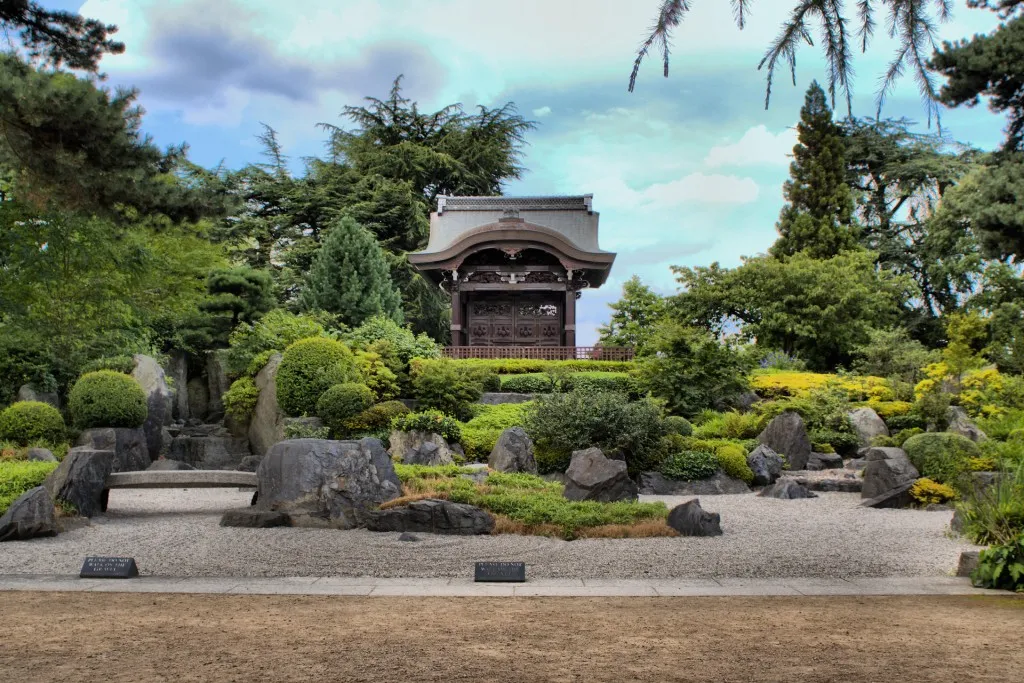
The Japanese Gateway at Kew Gardens
Nestled in a quiet corner of Kew Gardens, the Japanese Gateway—formally known as Chokushi-Mon—is a stunning replica of the Gate of Imperial Messengers from Kyoto’s Nishi Hongan-ji Temple. Gifted to Kew in 1911 for the Japan-British Exhibition and meticulously reconstructed in 1996, this four-tiered wooden structure features intricate carvings, a copper roof, and symbolic guardian figures. Flanked by a traditional Japanese garden with raked white gravel, stone lanterns, and seasonal planting, it offers a moment of Zen amid Kew’s vast botanical landscape. In 2026, the gateway remains a symbol of cultural exchange and a favorite spot for reflection and photography.
The garden surrounding the gateway is designed in the karesansui (dry landscape) style, with gravel raked into wave patterns to represent water and carefully placed rocks symbolizing islands. In spring, two cherry trees burst into pink blossoms, drawing crowds for hanami (flower viewing), while summer brings lush ferns and autumn turns the area golden. The gateway itself is not enterable, but a viewing platform allows close inspection of its craftsmanship, including mythical beasts and floral motifs. Interpretive panels explain its, Shinto and Buddhist influences, making it an educational stop for culture enthusiasts and families alike.
Access to the Japanese Gateway is included with your Kew Gardens ticket and is open year-round during garden hours (10am–5pm, last entry 4:30pm). Allow 10–15 minutes to absorb the tranquility, though many linger longer during cherry blossom season. The area is fully accessible via paved paths, with benches for quiet contemplation. In 2026, Kew’s app includes a Japanese Gateway audio guide with cultural insights and bloom forecasts. Insider tip: Visit in late March to early April for peak sakura (cherry blossoms). Check Kew’s social media for daily updates to catch the fleeting display.
The Japanese Gateway is perfect for mindfulness, photography, or a peaceful break between larger attractions like the Palm House or Treetop Walkway. Its compact size means it’s rarely crowded, except during peak blossom weeks. Early mornings or weekdays are best. Pair it with a visit to the nearby Bamboo Garden for an immersive East Asian experience. Occasional maintenance may close the gravel garden briefly for re-raking, but the gateway remains visible. Whether you’re seeking cultural depth, natural beauty, or a moment of calm, Chokushi-Mon delivers a slice of Japan in the heart of London.