Winter might not be the first season you think of for a garden visit, but at Kew it has a character all its own. Shorter days and colder weather shift the focus to the glasshouses, architecture, and the quiet pleasure of having more space to yourself.
The Palm House and the Temperate House are the stars of a winter visit. Stepping from a cold, grey day into the heat and humidity of the Palm House feels like travelling to another continent. The planting is lush year-round, and the contrast with the world outside makes the experience even more striking. The Temperate House is the largest Victorian glasshouse in the world; on a winter afternoon, the light through the glass and the scale of the building are unforgettable. The Waterlily House, though smaller, is another cosy retreat with its pool and dramatic leaves.
Outdoors, the structure of the gardens becomes visible. Bare branches, evergreen foliage, and seedheads have their own beauty. The Treetop Walkway is open in winter and offers clear views through the canopy. Wrapped up warm, a walk along the Broad Walk or through the woodland can be bracing and peaceful. Frost and occasional snow transform the landscape and are a treat for photographers.
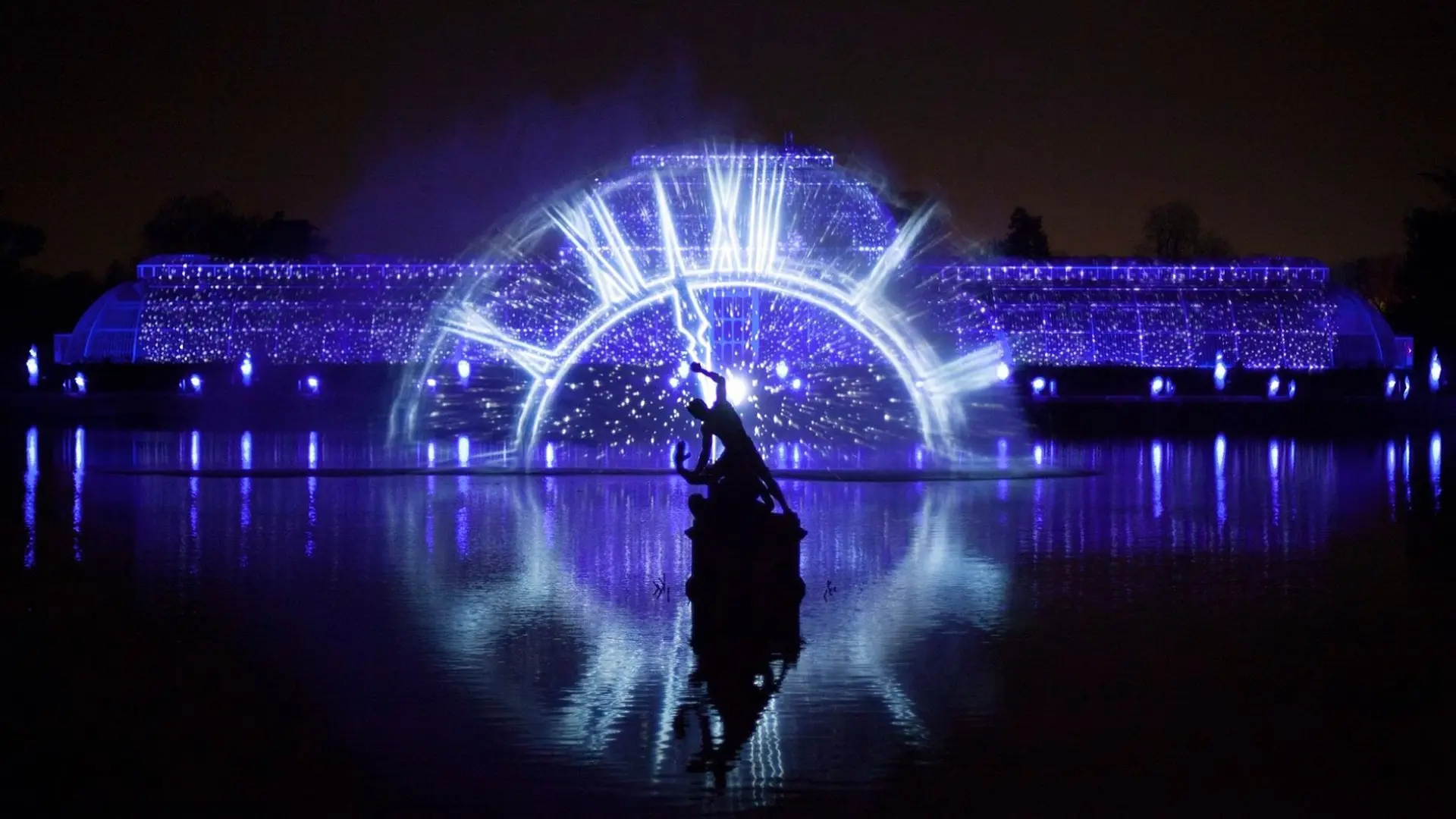
Winter Lights, when it runs, turns the gardens into an after-dark experience with illuminated installations along a set route. It’s popular, so booking in advance is essential. Even without the lights, a winter visit can be wrapped up with a hot drink in one of Kew’s cafés—a perfect way to end a cold-weather day.
Practicalities: dress in layers and wear sturdy, non-slip shoes. Opening hours are shorter in winter, so plan to arrive in good time. Weekdays are quieter than weekends. If you’ve never visited Kew in winter, it’s well worth discovering this calmer, more reflective side of the gardens.
Nearby London Attractions
Whilst visiting Kew why not discover the best of London and its iconic attractions.